
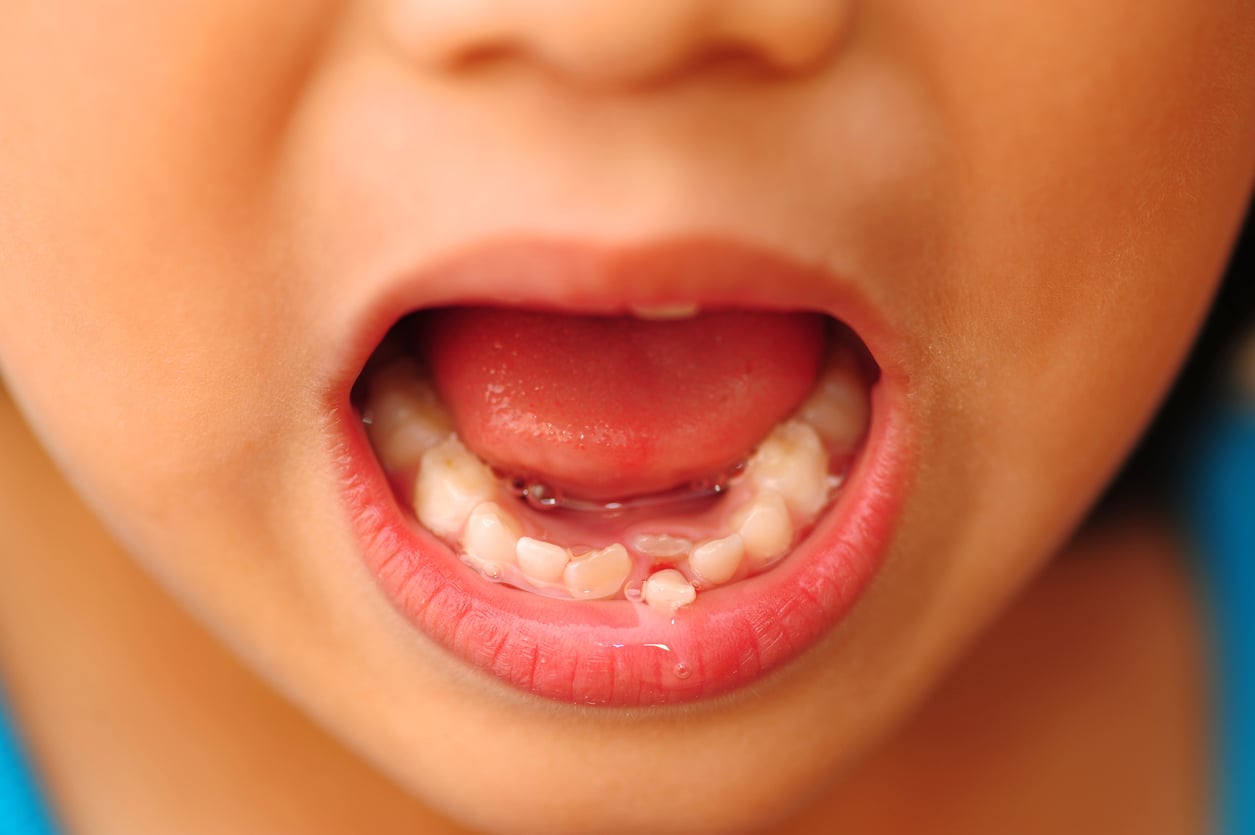
| Quick Answer: In most cases, no — let a loose baby tooth fall out on its own. Forcing a tooth before it’s ready can cause bleeding, pain, or leave part of the root behind. It’s fine to let your child gently wiggle it with a clean finger or tongue. Call a pediatric dentist if a tooth has been loose for many weeks, is painful or infected, or a permanent tooth is coming in behind it. |
Your child has a wiggly tooth, and now everyone in the house has an opinion about whether to pull it. It’s one of childhood’s little milestones — and one of the most common questions we get at Cabezon Pediatric Dentistry in Rio Rancho.
The short version: most loose teeth are best left to fall out naturally. Here’s why, plus the safe ways to help things along and the signs that mean it’s time to give us a call.
Should You Pull a Loose Baby Tooth?
Generally, no. A baby tooth loosens because the permanent tooth underneath is dissolving its roots and pushing it out. That process happens on its own timeline. When the tooth is truly ready, it usually comes out with very little effort — often during a meal or while your child is fidgeting with it.
Pulling a tooth before it’s ready works against that natural process, which is where problems come from.
Why Dentists Recommend Letting It Fall Out Naturally
- Less bleeding and pain. A tooth that’s ready has almost no root left. Forcing one that isn’t ready tears tissue and hurts.
- Lower infection risk. An open socket from an early extraction is more vulnerable to bacteria.
- No broken roots. Yanking a not-quite-ready tooth can snap the root and leave a fragment behind that may need professional removal.
- A calmer experience. A scary forced pull can make kids anxious about the next loose tooth — and about the dentist.
How to Tell a Tooth Is Ready
A tooth that’s ready to come out will usually:
- Wiggle freely in most directions, not just a little side to side
- Twist almost all the way around with gentle pressure
- Cause little to no pain when moved
- Hang by just a thread of tissue
If moving the tooth still hurts or it only budges slightly, it’s not ready — give it more time.
Safe Ways to Help a Wiggly Tooth Along
If the tooth is clearly ready and your child wants it out, these gentle approaches are fine:
- Have your child wiggle it with a clean finger or their tongue throughout the day.
- Offer crunchy, healthy foods like apple slices or carrots that encourage it to release naturally.
- If it’s truly hanging on, grip it with a clean tissue and use gentle, quick pressure — but stop immediately if there’s real pain or resistance.
Skip the old-fashioned string-and-doorknob trick. It’s unpredictable, can pull the tooth at the wrong angle, and tends to cause more pain and bleeding than it prevents.
When NOT to Pull — and When to Call Us
Leave the tooth alone and reach out to a pediatric dentist if you notice:
- A tooth that’s been loose for several weeks with no progress
- Pain, swelling, or signs of infection around the tooth or gum
- A permanent tooth erupting behind a baby tooth that won’t loosen (“shark teeth”)
- A loose tooth caused by a fall or injury rather than the natural process
- A tooth that seems loose but isn’t one your child should be losing yet (based on their age)
In these cases, it’s safer to let us take a look. If a tooth needs to come out, we can do it comfortably and check that everything underneath is developing the way it should.
What About “Shark Teeth”?
Sometimes a permanent tooth erupts behind a baby tooth that hasn’t let go yet, creating a temporary double row — often called “shark teeth.” It looks dramatic, but it’s common and usually resolves on its own as the baby tooth loosens and falls out, letting the permanent tooth drift forward.
If the baby tooth doesn’t loosen within a month or two, schedule a visit so we can evaluate whether it should be removed.
After the Tooth Comes Out
- Have your child bite gently on a clean piece of gauze for a few minutes if there’s minor bleeding.
- Skip very hot or hard foods for the rest of the day.
- Keep up gentle brushing around the area.
- Celebrate — a little tooth-fairy fanfare goes a long way toward making the next one stress-free.
Visit Cabezon Pediatric Dentistry in Rio Rancho
If a loose tooth has you second-guessing, our Rio Rancho team is happy to help. We care for children across Sandoval County — Rio Rancho, Bernalillo, Corrales, and west Albuquerque — from 9 months through age 18 (special needs to 26). As pediatric specialists, we can tell at a glance whether a wiggly tooth needs attention or just a little more time.
Frequently Asked Questions
Should you pull a child’s loose tooth?
In most cases, no. Let it fall out on its own. Pulling a tooth before it’s ready can cause pain and bleeding or leave part of the root behind. Gentle wiggling is fine when the tooth is clearly ready.
How do you know when a loose tooth is ready to come out?
A ready tooth wiggles freely in all directions, twists almost fully around, causes little to no pain, and hangs by a thread of tissue. If moving it still hurts, it needs more time.
Is it bad to pull a loose tooth early?
It can be. Forcing a tooth that isn’t ready can tear the gum, cause bleeding, increase infection risk, and snap the root. It’s safer to wait or have a pediatric dentist remove it if needed.
What if my child’s tooth has been loose for weeks?
If a tooth has stayed loose for several weeks without coming out — or if there’s pain, swelling, or a permanent tooth coming in behind it — schedule a visit so we can take a look.
What are shark teeth?
“Shark teeth” happen when a permanent tooth erupts behind a baby tooth that hasn’t fallen out yet, creating a brief double row. It’s common and usually resolves on its own, but call us if the baby tooth hasn’t loosened within a month or two.
|
Not sure about a loose tooth? We truly care about your child’s health and happiness. Reach out to get your child’s appointment scheduled. We can’t wait to see you. Cabezon Pediatric Dentistry │ 2421 Cabezon Blvd SE, Suite 101, Rio Rancho, NM 87124 │ (505) 884-5437 │ Contact Us → |